Data Center (DC) infrastructure is the foundation of the global digital economy. As the demand for high-performance computing, Artificial Intelligence (AI), and cloud services grows exponentially, the reliability and intelligence of the underlying network become crucial. In this scenario, Huawei has established itself as a dominant player, and its proprietary operating system, the Versatile Routing Platform (VRP), emerges as the technological differentiator that drives its line of DC equipment.
What is the Versatile Routing Platform (VRP)?
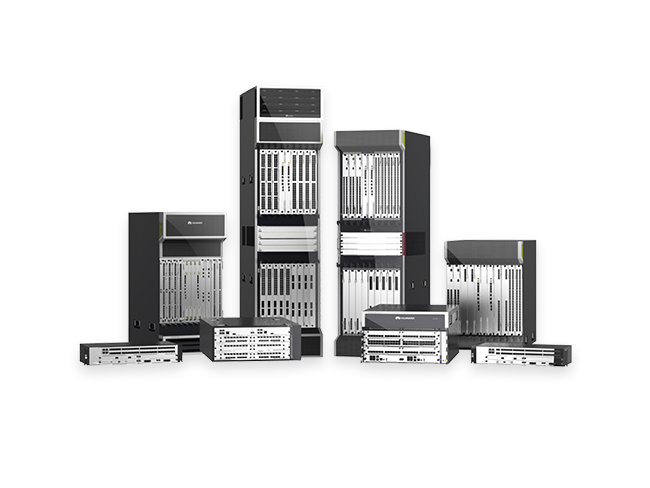
VRP (Versatile Routing Platform) is the unified and modular operating system developed by Huawei for its vast range of data communication equipment, including enterprise-level and data center routers and switches. More than a simple operating system, VRP is the culmination of over 17 years of innovation in network technology, designed to offer a robust and consistent platform across the company’s entire hardware portfolio. Key Features of VRP:
| Feature | Description | Benefit for Data Centers |
| Modular Architecture | Allows different software modules (routing, switching, security) to be loaded and executed independently. | High stability and fault tolerance. A failure in one module does not affect the system as a whole. |
| IP Convergence | It is IP-centric, supporting a wide range of routing and switching protocols. | Simplifies network architecture, integrating different services over a single infrastructure. |
| High Reliability | Incorporates various link and device-level protection technologies (such as iStack and power redundancy). | Ensures the continuity of critical services (Always-on Services), essential for health and financial applications. |
| Automation Capabilities | Supports modern programming interfaces and protocols for network automation and orchestration. | Enables the implementation of ultra-resilient and intelligent data center networks, reducing manual intervention. |
Competitive Advantages in the Data Center Ecosystem
The adoption of VRP in Huawei’s data center equipment provides significant advantages that translate into greater operational efficiency and business resilience for customers.
1. Unmatched Reliability and Resilience
In a data center, downtime is not an option. VRP’s architecture is built for high availability. Technologies like the Virtual Router Redundancy Protocol (VRRP), which ensures fault tolerance by switching services from master to backup in case of a link failure, are native to the system. Furthermore, the platform is fundamental to Huawei’s Xinghe Intelligent Data Center Network Solution, which promises ultra-large computing power and exceptional availability.
2. Simplification and Automation of Management
VRP facilitates network automation, a pillar of digital transformation. By providing a unified platform, it simplifies the management of a diverse fleet of equipment. This is crucial for implementing remote and mobile operations and maintenance (O&M), as seen in solutions like Huawei iManager-M, which optimizes the management of data center infrastructures.
3. Scalability for the AI Era
The demand for data centers is being redefined by Artificial Intelligence (AI). VRP is at the core of Huawei’s ability to build light, flexible, and diversified infrastructures that support the exponential growth of computing power needed for AI. The high-performance switching capacity of VRP-based switches is designed to handle the massive traffic and low latencies required by AI workloads.
Uses and Success
Stories Huawei’s data center equipment, powered by VRP, is used in various global sectors, demonstrating its versatility and robustness: • Telecommunications Operators:
- Huawei’s solutions help operators modernize their cloud networks, migrating from resource-oriented models to B2B service-oriented models.
- Financial Sector: Top-tier banks, such as COOP in Ethiopia, use Huawei’s Xinghe Ultra-Resilient Intelligent Data Center Network Solution to ensure always-on services.
- Manufacturing Sector: Data center solutions accelerate digital transformation and protect production in industrial environments, where stability and low latency are critical.
- Prefabricated Modular Data Centers: Huawei’s prefabricated modular solution, which has the advantage of fast Time-to-Market (TTM) and low PUE (Power Usage Effectiveness), uses the same technological base to ensure rapid infrastructure deployment.
Global Growth and Market
Leadership Huawei’s Data Center strategy has translated into remarkable market growth, despite geopolitical challenges.
The company has demonstrated leadership in crucial segments:
- Leadership in Modularity: Huawei’s prefabricated modular data center solution achieved first place in global market share in 2023, maintaining this position for 10 consecutive years.
- Innovation and Investment: In 2024, Huawei invested 21% of its revenue in Research and Development (R&D), an indication of its continuous commitment to innovation in platforms like VRP and DC solutions.
Huawei’s Data Center 2030 Report projects a future where data centers will be diverse, ubiquitous, secure, and intelligent, supporting zero carbon and flexible resources. VRP is the technological foundation that allows Huawei not only to keep up with but to lead these trends, providing the intelligent and resilient network backbone for the next decade of computing.
Conclusion
Huawei’s line of data center equipment, anchored in the Versatile Routing Platform (VRP), represents a mature, reliable, and future-oriented network infrastructure solution. Its advantages in modularity, resilience, and automation uniquely position it to meet the growing and complex demands of the cloud and Artificial Intelligence era. Huawei’s global growth in this segment is a testament to the effectiveness of VRP as a unified and intelligent operating system, essential for building the data centers that will power the global digital transformation.
Visit the EMNews blog and stay up-to-date with the latest news, analyses, and trends in the world of technology and telecommunications!